
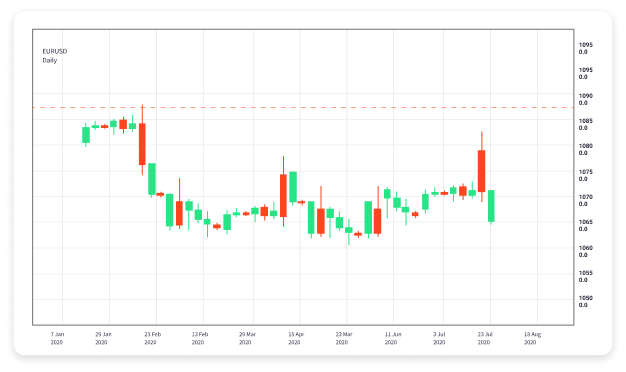
In the fast-paced world of Forex trading, the significance of stable and efficient trading servers cannot be overstated. The infrastructure behind Forex trading platforms plays a pivotal role in determining the success of traders. Factors such as latency, uptime, and trading execution speed are crucial aspects that can directly impact trading outcomes. This article delves into forex trading servers Latin America Trading, the intricacies of Forex trading servers, their types, and how traders can choose the right servers for their needs.
What Are Forex Trading Servers?
Forex trading servers are powerful computing systems that facilitate the execution of trades in the forex market. They host trading platforms that are used by both retail traders and institutional investors. These servers are responsible for processing the myriad transactions that occur in the forex market every second, and they play a vital role in ensuring that trades are executed in real-time. Without these servers, Forex trading would not be possible.
Importance of Forex Trading Servers
The importance of Forex trading servers cannot be overstated. They serve as the backbone of online trading, providing traders with the tools and services they need to analyze the market and execute trades effectively. Here are several key reasons why Forex trading servers are essential:
- Speed: Forex trading servers process transactions rapidly. In a market where every millisecond counts, latency can significantly affect the price at which trades are executed. The higher the speed of execution, the better the chances of securing a profitable trade.
- Uptime: A reliable Forex trading server boasts minimal downtime. Continuous availability ensures that traders can access their trading platforms at any time, a critical factor for success in the dynamic trading environment.
- Security: Forex trading servers incorporate advanced security measures to protect sensitive data and transactions. Traders need assurance that their personal and financial information is safe from cyber threats.
- Scalability: Forex trading servers can handle varying loads of traffic, allowing them to accommodate multiple users simultaneously. As a trader’s portfolio grows, the server must be able to support increased trade volumes without performance degradation.

Types of Forex Trading Servers
Forex trading servers come in various types, each offering unique features and capabilities. Understanding these servers can help traders select the most suitable option for their trading style:
1. VPS (Virtual Private Server)
A Virtual Private Server is a virtualized server that offers dedicated resources to traders. VPS hosting is especially beneficial for algorithmic traders who rely on automated trading strategies. With a VPS, traders can run their trading platforms 24/7 without interruptions caused by local power outages or internet issues.
2. Dedicated Servers
Dedicated servers are physical servers reserved specifically for a single user or organization. They provide superior performance and security, making them ideal for institutional traders dealing with large volumes of trades. Dedicated servers allow for complete control over the environment, including the ability to install custom software and configure settings to optimize performance.
3. Cloud-Based Servers
Cloud-based servers offer flexibility and scalability. They allow traders to access their trading platforms from anywhere in the world, provided there is an internet connection. Cloud solutions can be cost-effective, as users pay for only the resources they utilize, making them an attractive option for both new and seasoned traders.
Choosing the Right Forex Trading Server
Selecting the right Forex trading server is crucial for achieving trading success. Here are several factors to consider when making your choice:
- Latency: Look for servers with low latency, especially if you are an intraday trader or your strategy relies on high-speed trading.
- Location: The server’s geographical location can affect latency. Choose a server that is close to the forex exchange or your broker’s data center.
- Reliability: Research the server’s uptime history. A server that frequently goes offline can disrupt your trading activities.
- Support: 24/7 customer support is essential, especially for traders who operate in different time zones. Ensure your server provider offers reliable technical support to address any issues promptly.
- Cost: Consider your budget carefully. While it may be tempting to choose the cheapest option, ensure that you balance cost with performance and reliability.
Conclusion
Forex trading servers are pivotal in today’s trading landscape. They offer essential features that can enhance trading performance, from execution speed to reliability and security. By understanding the various types of Forex trading servers and carefully evaluating your options, you can set yourself up for success in the financial markets. Choose wisely, stay informed, and optimize your trading strategy to fully leverage the capabilities of modern trading infrastructure.
